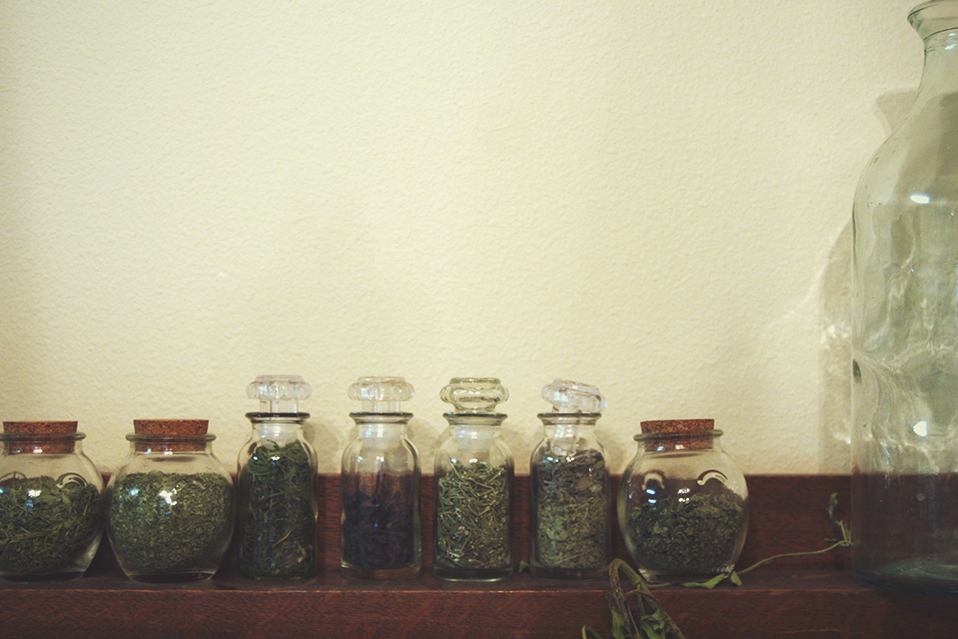
Herbal medicine -- also called botanical medicine or phytomedicine -- refers to using a plant's seeds, berries, roots, leaves, bark, or flowers for medicinal purposes. Herbalism has a long tradition of use outside of conventional medicine. It is becoming more mainstream as improvements in analysis and quality control along with advances in clinical research show the value of herbal medicine in the treating and preventing disease.
Plants had been used for medicinal purposes long before recorded history. Ancient Chinese and Egyptian papyrus writings describe medicinal uses for plants as early as 3,000 BC. Indigenous cultures (such as African and Native American) used herbs in their healing rituals, while others developed traditional medical systems (such as Ayurveda and Traditional Chinese Medicine) in which herbal therapies were used. Researchers found that people in different parts of the world tended to use the same or similar plants for the same purposes.
In the early 19th century, when chemical analysis first became available, scientists began to extract and modify the active ingredients from plants. Later, chemists began making their own version of plant compounds and, over time, the use of herbal medicines declined in favor of drugs. Almost one fourth of pharmaceutical drugs are derived from botanicals.
Recently, the World Health Organization estimated that 80% of people worldwide rely on herbal medicines for some part of their primary health care. In Germany, about 600 - 700 plant based medicines are available and are prescribed by some 70% of German physicians. In the past 20 years in the United States, public dissatisfaction with the cost of prescription medications, combined with an interest in returning to natural or organic remedies, has led to an increase in herbal medicine use.
The use of herbal supplements has increased dramatically over the past 30 years. Herbal supplements are classified as dietary supplements by the U.S. Dietary Supplement Health and Education Act (DSHEA) of 1994. That means herbal supplements -- unlike prescription drugs -- can be sold without being tested to prove they are safe and effective. However, herbal supplements must be made according to good manufacturing practices.
Often, herbs may be used together because the combination is more effective and may have fewer side effects. Health care providers must take many factors into account when recommending herbs, including the species and variety of the plant, the plant's habitat, how it was stored and processed, and whether or not there are contaminants (including heavy metals and pesticides).
Herbal medicine is used to treat many conditions, such as asthma, eczema, premenstrual syndrome, rheumatoid arthritis, migraine, menopausal symptoms, chronic fatigue, irritable bowel syndrome, and cancer, among others. Herbal supplements are best taken under the guidance of a trained health care provider. For example, one study found that 90% of arthritic patients use alternative therapies, such as herbal medicine.Be sure to consult with your doctor or pharmacist before taking any herbs.
Aloe Vera Antibacterial, anti-fungal, antiviral, wound and burn healer, natural laxative, soothes stomach, helps skin disorders.
Basil Powerful antispasmodic, antiviral, anti-infectious, antibacterial, soothes stomach.
Black Cohosh Relieves menopausal hot flashes, relieves menstrual cramps, helps circulatory and cardiovascular disorders, lowers blood pressure, reduces cholesterol, useful for nervousness and stress. Note: Do not use during pregnancy.
Black Walnut Good for eliminating parasites, good for fungal infections, good for warts and poison ivy, aids digestion.
Cinnamon It has been proven that 99.9% of viruses and bacteria can not live in the presence of cinnamon. So it makes a great antibacterial and antiviral weapon.
Cayenne Catalyst for other herbs, useful for arthritis and rheumatism (topically and internally), good for colds, flu viruses, sinus infection and sore throat, useful for headache and fever, aids organs (kidneys, heart, lungs, pancreas, spleen and stomach, increase thermogenesis for weight loss.
Clove Bud Improves the immune system, they are also an antioxidant and doubles as an antibacterial and antimicrobial fighter.
Cypress The therapeutic properties of cypress oil are astringent, antiseptic, antispasmodic, deodorant, diuretic, haemostatic, hepatic, styptic, sudorific, vasoconstrictor, respiratory tonic and sedative.
Dandelion Helpful for PMS, good for menopause, increases ovarian hormones.
Echinacea (coneflower) Boosts white blood cell production, immune system support, anti-inflammatory and antiviral properties, good for colds, flu and infection. Note: Use no more than two weeks at a time. Do not use if you are allergic to sunflowers or related species.
Eucalyptus Anti-infectious, antibacterial and antiviral.
Garlic Helps fight infection, detoxifies the body, enhances immunity, lowers blood fats, assists yeast infections, helps asthma, cancer, sinusitis, circulatory problems and heart conditions.
German Chamomile Helps stress, anxiety and insomnia, good for indigestion, useful for colitis and most digestive problems, effective blood cleanser and helps increase liver function and supports the pancreas. Improves bile flow from the liver, it is good for healing of the skin that might come from a blistering chemical agent.
Geranium Dilates bile ducts for liver detoxification, antispasmodic, stops bleeding, anti-infectious, antibacterial.
Ginger Helps nausea, motion sickness and vomiting, useful for circulatory problems, good for indigestion, and is also an effective antioxidant.
Lavender Assists with burns, antiseptic, used as a stress reliever, good for depression, aids skin health and beauty.
Lemon Is known for its antiseptic properties, Essential Science Publishing says that: According to Jean Valnet, M.D. the vaporized essence of lemon can kill meningococcal bacteria in 15 minutes, typhoid bacilli in one hour, Staphylococcus aureus in two hours and Pneumococcus bacteria within three hours. Lemon also improves micro-circulation, promotes white blood cell formation, and improves immune function.
Marjoram Anti-infectious, antibacterial, dilates blood vessels, regulates blood pressure, soothes muscles.
Marshmallow Aids bladder infections, diuretic (helps fluid retention), helps kidney problems, soothes coughs, sore throats, indigestion, and as a topical agent it is said to be anti-inflammatory, antimicrobial and wound-healing.
Melissa Assists in issues with the nervous system, blisters, and has antimicrobial properties.
Mullein Can be used as a laxative, good for asthma and bronchitis, useful for difficulty breathing, helps hay fever.
Myrrh Anti-infectious, antiviral, soothes skin conditions and supports immune system. Also an antispasmodic that helps to reduce spasming due to spasms caused by nerve agents.
Oregano is a powerful antibiotic and has been proven to be more effective in neutralizing germs than some chemical antibiotics. It has been effective against germs like Staphylococcus aureas, Escherichia coli, Yersinia enterocolitica and Pseudomonas aeruginosa.
Pine Antidiabetic, cortisone-like, severe infections, hypertensive
Rosemary Antiseptic, Antibacterial, Cleansing and detoxes the body. Supports the liver and combats cirrhosis.
Rosewood Anti-infectious, antibacterial, and antiviral.
Sage Used in anxiety, nervous disorders, as astringent, in abdominal disorders, anti inflammatory.
Spearmint To calm the Nervous System, aide with Nerve Agents.
Tea Tree Disinfectant, antibacterial, anti-fungal, burns, good for all skin conditions.
Thyme Effective against Anthrax and Tuberculosis
*Source: Herbal medicine, University of Maryland Medical Center