HIP HOP
is
Urban Styles

OVERVIEW

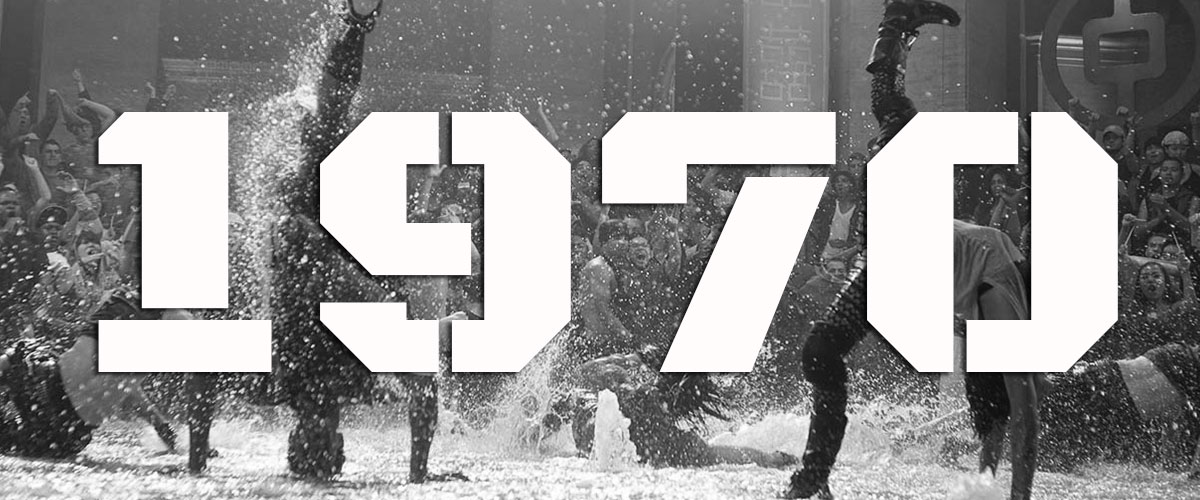
Hip-hop dance is a broad category that includes a variety of urban styles. The older dance styles were created in the 1970s. They include uprock, breaking, and the funk styles. Hip-hop dance is not a studio-derived style. Street dancers developed it in urban neighborhoods without a formal process. All of the early substyles and social dances were brought about through a combination of events including inspiration from James Brown, DJ Kool Herc's invention of the break beat, the formation of dance crews

NEW YORK

Break dancing was developed in New York. Breaking was created in The Bronx, New York, incorporating dances that were popular in the 1960s and early 1970s in African-American and Latino communities. At this time Capoeira, an Afro-Brazilian martial art, was also being developed. It is "a form of self defense disguised as a dance." Its influence on breaking is disputed and debated; one side believes that breaking came from capoeira, while the other side denies this.

CALIFORNIA

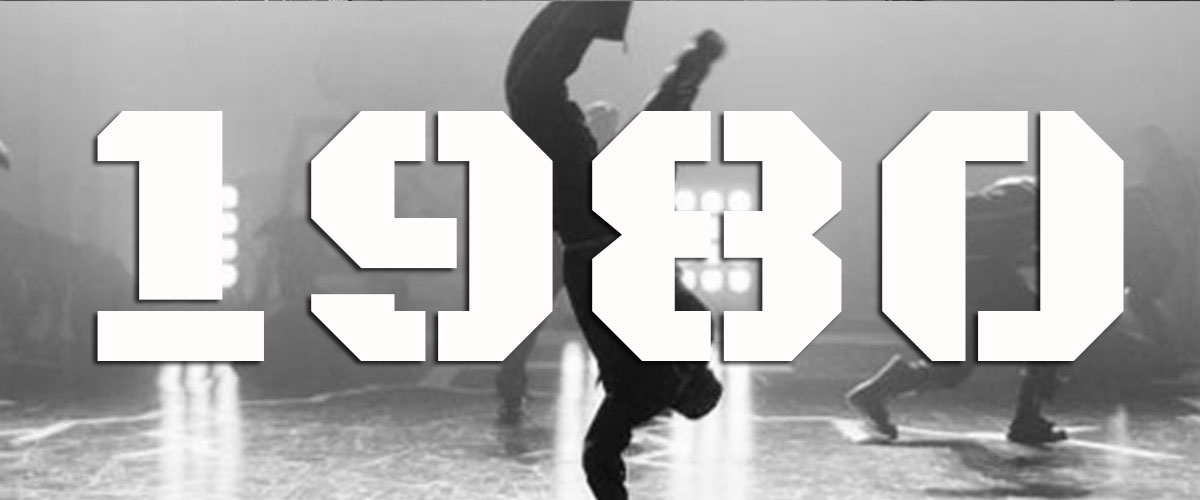
While several funk styles were created in the streets of California such as; roboting, bopping, hitting, locking , bustin', popping , electric boogaloo, strutting, sac-ing, and dime-stopping. California-were not originally hip-hop dance styles: they were danced to funk music rather than hip-hop music, and they were not associated with the other cultural pillars of hip-hop (DJing, graffiti writing, and MCing). The funk styles are actually slightly older than breaking due to fact that boogaloo and locking were developed in the late 1960s
HIP HOP
is
Attitude

Commercialization

Films, television shows, and the Internet have contributed to introducing hip-hop dance outside of the United States. Since being exposed, educational opportunities and dance competitions have helped maintain its presence worldwide. Europe host several international hip-hop competitions such as the UK B-Boy Championships, Juste Debout, and EuroBattle. Australia host a team-based competition called World Supremacy Battlegrounds and Japan host a two-on-two competition called World Dance Colosseum.

HIP HOP
is
An Escape

Line Dances

The Cha Cha Slide, the Cupid Shuffle, and the Soulja Boy are examples of urban line dances that were created from hip-hop songs of the same name. These line dances have the same premise as the more widely know Electric Slide. There are variations to the Electric Slide, but the dance is always performed to the song "Electric Boogie" by Marcia Griffiths.In keeping with this tradition, the Cha Cha Slide, the Cupid Shuffle, and the Soulja Boy are always performed to their respective songs.

Social Dance

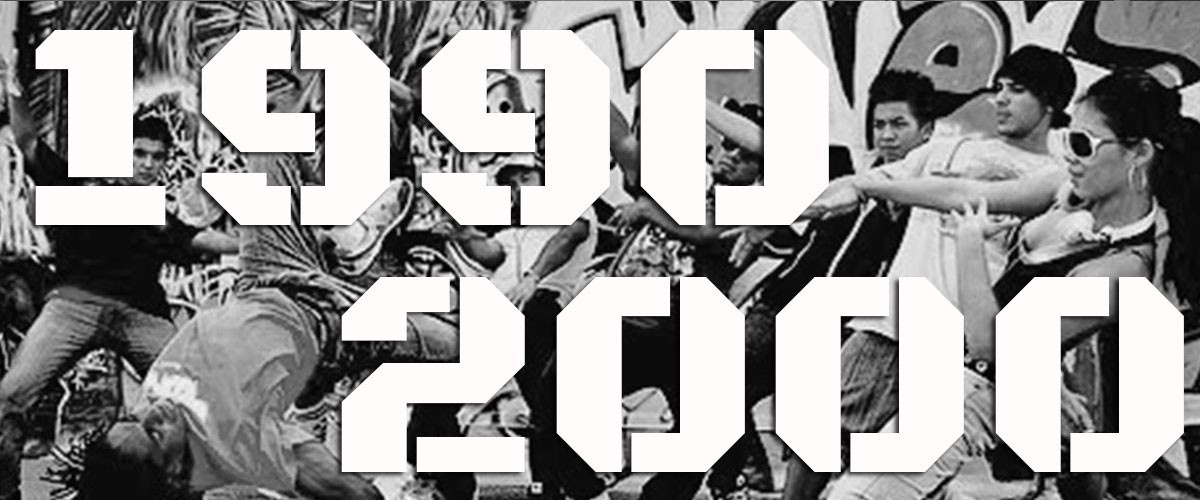
Hip-hop social dancing (party dancing) began when hip-hop musical artists started to release songs with an accompanying dance. In 1990, rapper MC Hammer created the Hammer dance and popularized it in his music video "U Can't Touch This". The Hammer dance was a social dance that became wildly popular and then faded as the album it was associated with, Please Hammer, Don't Hurt 'Em, lost popularity. Most social dances are short-lived fad dances, some are line dances, and others spawn new dance styles that stay relevant even after the life of the songs they came from come to an end. The development of hip-hop social dancing extends further back than the 1990s with the Charleston, a jazz dance; Chubby Checker's Twist, which was considered rock & roll; several 1970s fad dances made popular by James Brown; and the influence of the television show Soul Train.