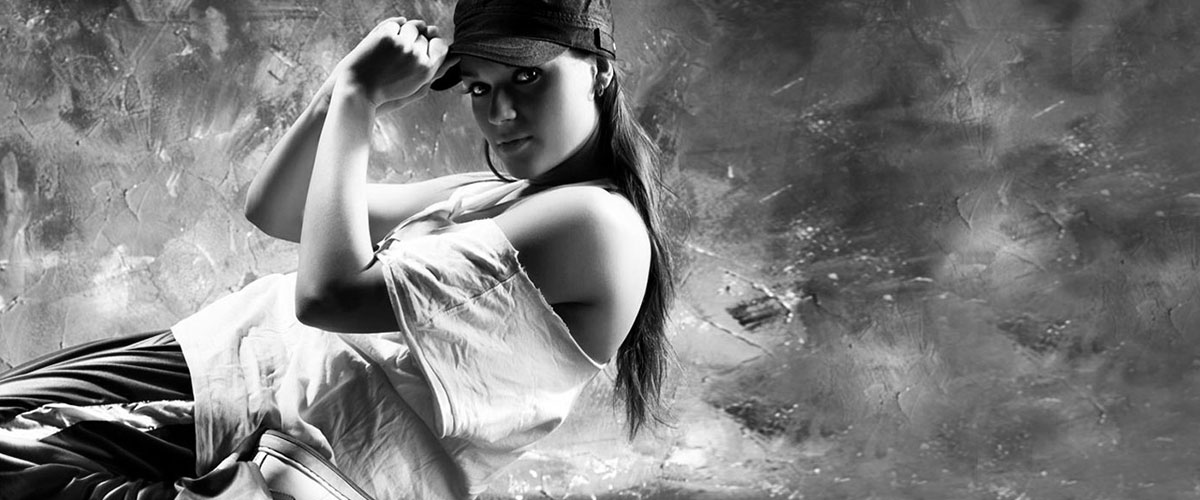
Start Up
Popping was created in Fresno, California in the 1970s and popularized by Samuel "Boogaloo Sam" Solomon and his crew the Electric Boogaloos. It is based on the technique of quickly contracting and relaxing muscles to cause a jerk in a dancer's body, referred to as a pop or a hit. Each hit should be synchronized to the rhythm and beats of the music. Popping is also used as an umbrella term to refer to a wide range of closely related illusionary dance styles such as strobing, liquid, animation, twisto-flex, and waving. Dancers often integrate these styles with standard popping to create a more varied performance. In all of these subgenres it appears to the spectator that the body is popping. The difference between each subgenre is how exaggerated the popping is. In liquid, the body movements look like water. The popping is so smooth that the movements do not look like popping at all; they look fluid. The opposite of this is strobing (also called ticking) in which the movements are staccato and jerky.
Popping as an umbrella term also includes floating, gliding, and sliding. These are lower body dances performed with little to no movements in the chest or arms. In floating, gliding, and sliding a dancer appears as if they are drifting across the floor on ice. Opposite from gliding is tutting, an upper body dance that uses the arms, hands, and wrists to form right angles and create geometric box-like shapes. Tutting can be done primarily with the fingers rather than the arms. This method is called finger tutting. In both variations the movements are intricate, linear, and form 90° or 45° angles. In practice, tutting looks like the characters on the art of ancient Egypt, hence the name—a reference to King Tut.